_20251205155436A021.jpg&w=3840&q=75)
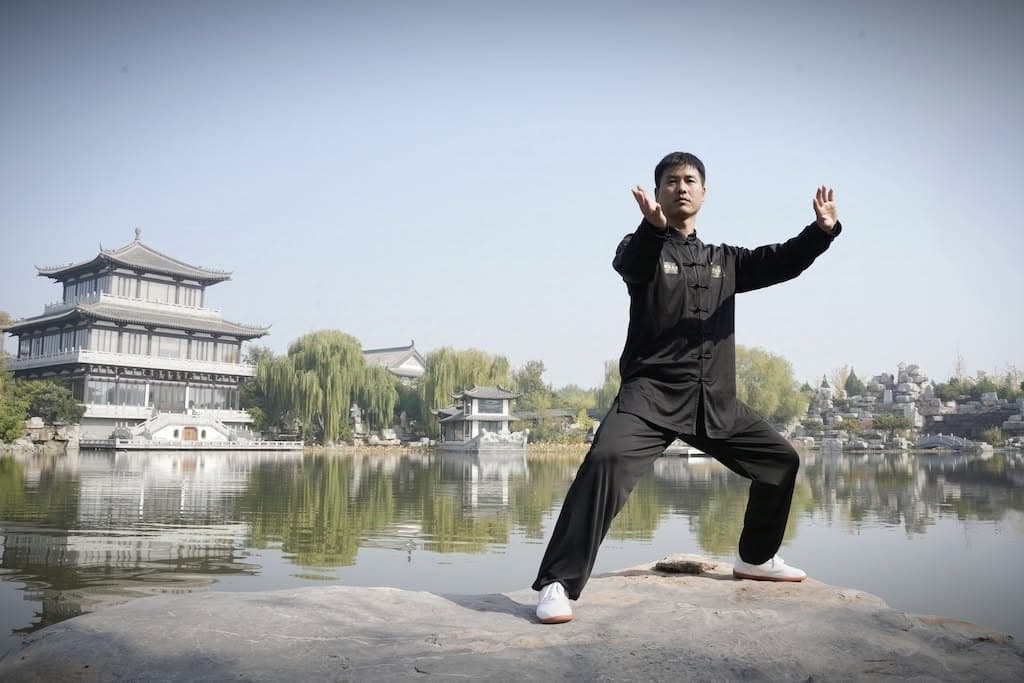
This course represents the culminating and advanced module of the Five-Animal Frolics series, focusing on Crane Play (鹤戏), inspired by the long-living and auspicious crane. Crane Play emphasizes enhancing cardiopulmonary function, significantly improving both static and dynamic balance, and optimizing overall blood circulation. Its movements flow like the wings of a crane, while its postures are serene and upright, strengthening the body’s respiratory center and circulatory system.
The full course consists of 20 video lessons (total 1 hour 45 minutes). It begins with the cultural and health significance of the crane and guides you through scientifically precise and elegant movement breakdowns, helping you safely open the chest, stabilize the center of gravity, and calm the mind. The course emphasizes “correct form, smooth Qi, and peaceful spirit” (形正、气顺、神宁), achieving profound benefits for heart-lung function, circulation, and mental tranquility through seemingly simple winged and single-leg postures. This course serves as the crowning achievement of the Five-Animal Frolics practice.
Tip: Crane Play represents the lightness and breath regulation of the Five-Animal Frolics, integrating and elevating the qualities developed in the first four animals (Tiger, Deer, Bear, Monkey). Mastering Crane Play means fully appreciating the comprehensive, biomimetic wisdom of the Five-Animal Frolics.
Physical Health
Enhances cardiopulmonary function and respiratory depth: Large arm and chest-opening movements strengthen respiratory muscles, increase lung capacity, and improve oxygen intake efficiency.
Improves balance and joint stability: Extended single-leg stances develop proprioception and strengthen ankles, knees, and hips, greatly reducing fall risk.
Promotes blood circulation and lymphatic return: Coordinated arm movements with deep breathing act like a “pump” for circulation, especially benefiting the upper body and head/neck region.
Aligns the spine, improves posture and presence: Upright, lifted chest postures help correct rounded shoulders, enhancing height, confidence, and elegance.
Gentle stimulation and massage of the heart-lung region: Opening and closing motions provide mild compression of the chest, passively massaging and revitalizing heart-lung organs.
Mental and Energy Benefits
Calms the nervous system and relieves stress: Slow, focused balance practice functions as dynamic meditation, rapidly reducing anxiety and inducing deep inner peace.
Enhances focus and mental control: Maintaining balance requires full attention on the body and present moment, training mindfulness and concentration.
Cultivates refined calm and elegance: The cultural image of the crane guides the practitioner into a serene, elevated, and graceful mental state.
Promotes lightness and freedom in body and mind: Winged movements evoke a sense of psychological liberation and uplifted spirit.
The course includes 20 elegant and smooth video lessons (105 minutes), structured to integrate breath, balance, and mental focus:
Phase 1: Principles and Preparation (Lessons 1–5)
Theory and health value of Crane Play (focus on heart-lung and balance).
Targeted warm-ups activating shoulders, hips, ankles, and core.
Detailed instruction on Crane Play posture and breathing techniques.
Phase 2: Core Movement Mastery (Lessons 6–16)
Bird in Flight (鸟飞): Step-by-step instruction: starting posture, gathering Qi, wing expansion, closing wings, grounding. Emphasis on synchronizing breathing with arm movement and full chest expansion.
Crane Standing (鹤立): Step-by-step instruction: knee lift, single-leg stance, stabilization, calming the mind, landing. Focus on finding the center of gravity and using gaze and breath to aid balance.
Each lesson includes multi-angle demonstrations, precise breath-motion coordination, balance support tips (e.g., wall-assisted practice), and key points for graceful posture.
Phase 3: Integration, Sequencing, and Relaxation (Lessons 17–20)
Smooth transitions between Bird in Flight and Crane Standing, alternating sides.
Complete small routine of Crane Play.
Deep relaxation and closure techniques to consolidate practice effects.
Single Lesson Structure Example
Movement Imagery and Cultural Significance: Explaining the crane’s posture (e.g., flapping wings, standing on a shallow bank) and its representation of longevity, serenity, and transcendence.
Step-by-Step Breakdown and Guided Practice: Safety-focused progression to build confidence.
Breath and Spirit Integration: Guidance on when to inhale and lift, exhale and sink, and using gaze for mental focus.
Safety Points and Benefits Summary: Protecting the supporting knee (slight bend, avoid locking), safe exit strategies, and summary of cardiopulmonary and balance benefits.
Directly addresses common modern health challenges: shallow breathing from prolonged sitting and age-related decline in balance.
Movements are highly aesthetic and artistic, improving posture and personal presence while being enjoyable to practice.
Clear, safe progression system from wall-assisted to fully independent balance training.
Immediate calming effect: even brief Crane Standing practice restores steady breathing and mental clarity.
Lays the foundation for fall prevention and enhanced sports performance, supporting activities like golf, skiing, and hiking.
Integrates body, breath, and mind for advanced mind-body cultivation.
Support via WhatsApp and certificate issued upon course completion.
Individuals of all ages seeking to improve cardiopulmonary endurance, breathing quality, and balance, particularly office workers.
Older adults wishing to safely enhance balance and prevent falls, maintaining independent living skills.
Those aiming to improve posture, correct rounded shoulders, and cultivate elegance and presence.
People under stress or with anxious minds, seeking deep relaxation through serene practice.
Yoga, Taichi, or dance practitioners looking to further develop balance, breath control, and movement grace.
_20250315145210A005.jpg&w=3840&q=75)
_20260310102244A002.png&w=3840&q=75)