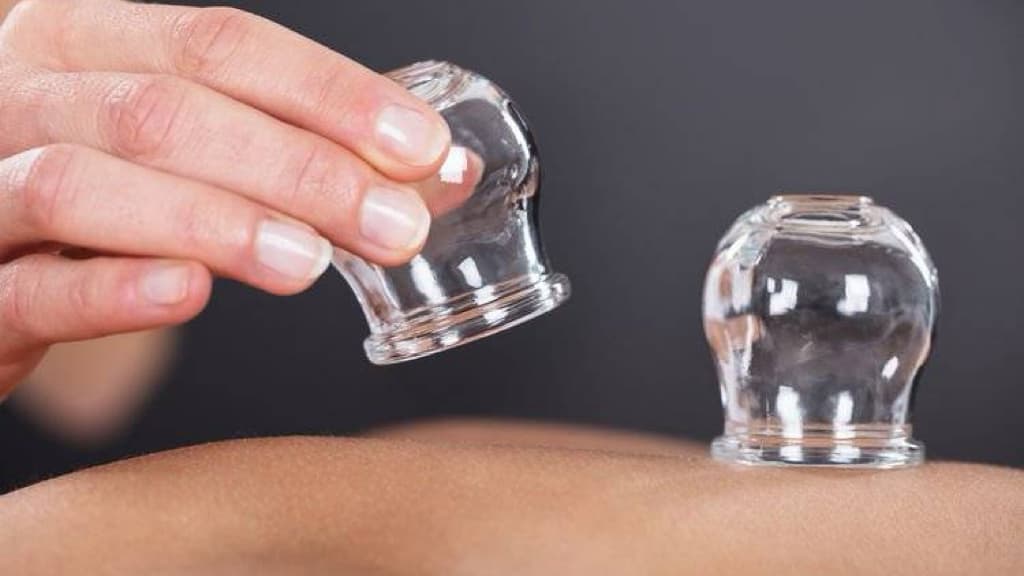
This course is a specialized program designed to safely and gently support common respiratory conditions using TCM cupping techniques. It combines TCM wisdom—“the Lung governs the skin and opens to the nose”—with modern understanding of respiratory muscles and somatic-visceral reflexes to create practical, home-applicable adjunctive methods.
Cupping on selected back and neck areas provides two complementary benefits:
Local effect on respiratory muscles (trapezius, rhomboids, erector spinae) to relieve tension from chronic cough or poor posture, easing breathing effort.
Reflexive and circulatory effect that may help regulate bronchial tone and support clearance of airway secretions.
All training emphasizes the distinction between symptom relief and disease treatment: this method is strictly an adjunct to physician-led care.
Assist recovery from post-cold symptoms: Shorten the duration of lingering cough, phlegm, and nasal congestion.
Relieve chronic rhinitis discomfort: Local stimulation improves circulation, temporarily relieving nasal congestion and head heaviness.
Ease chest tightness in chronic bronchitis: Back techniques relax associated muscle groups, making breathing smoother.
Optimize breathing patterns & depth: Diaphragm-focused methods improve respiratory awareness and efficiency.
Enhance confidence in self-care: Provides a safe, physician-approved method to actively support chronic respiratory health.
25 HD video lessons (~1 hour 50 minutes), structured progressively:
Module 1 — Core Concepts, Safety & Basic Techniques (Lessons 1–5)
Modern physiological and TCM perspective on respiratory cupping.
Absolute contraindications & red-flag symptoms (e.g., acute pneumonia, status asthmaticus, hemoptysis, high fever).
Equipment selection and gentle negative-pressure techniques suitable for respiratory care.
Module 2 — Symptom-Based Protocols (Lessons 6–19)
Unit A: Upper airway issues (nose, throat) — ~5 lessons
Techniques for post-cold nasal congestion and chronic rhinitis, including neck/upper-back light cupping and Yintang (印堂) care.
Unit B: Lower airway issues (trachea, bronchi) — ~6 lessons
Upper-back and interscapular region retained cupping for cough, phlegm, and chest tightness; differentiation for cold-type vs. phlegm-heat coughs.
Unit C: Respiratory support — ~3 lessons
Diaphragm-related back points (Geshū 膈俞 / Diaphragm Shu) and intercostal area methods for shallow breathing and enhanced depth.
Module 3 — Integration, Care & Coordination (Lessons 20–25)
Combining cupping with steam inhalation, chest percussion, and environmental management.
Seasonal and constitution-specific adjunct care plans.
Post-treatment care: warmth, rest, hydration, and observation of reactions.
Respiratory-focused specialization: First comprehensive domestic course on cupping for respiratory health.
Strict safety standards: Acute/serious disease recognition emphasized throughout; method always adjunctive to medical care.
Gentle, targeted techniques: Distinct methods for respiratory support, ensuring safety and suitability.
Integrates modern rehab concepts: Combines respiratory muscle anatomy and somatic reflexes with traditional methods for clarity and accessibility.
Holistic health approach: Cupping is presented as part of overall respiratory management, not an isolated treatment.
Empowers participants: Safe, physician-approved adjunct method for chronic respiratory support.
Support: WhatsApp guidance
Certificate: Awarded upon course completion
People prone to colds with lingering cough or nasal congestion, seeking accelerated recovery.
Those with chronic rhinitis or sinus discomfort desiring non-pharmacologic relief.
Patients with chronic bronchitis or COPD in stable phase, only with physician approval, seeking adjunctive chest relief and breathing improvement.
Individuals experiencing shallow or restricted breathing, wanting to optimize respiratory patterns.
Health enthusiasts with basic cupping knowledge, looking to expand into respiratory support.
Important Notice: This course does not treat acute infections (e.g., pneumonia, tuberculosis), acute asthma attacks, or major illnesses. All methods are adjunctive, applied only during stable conditions under medical supervision.
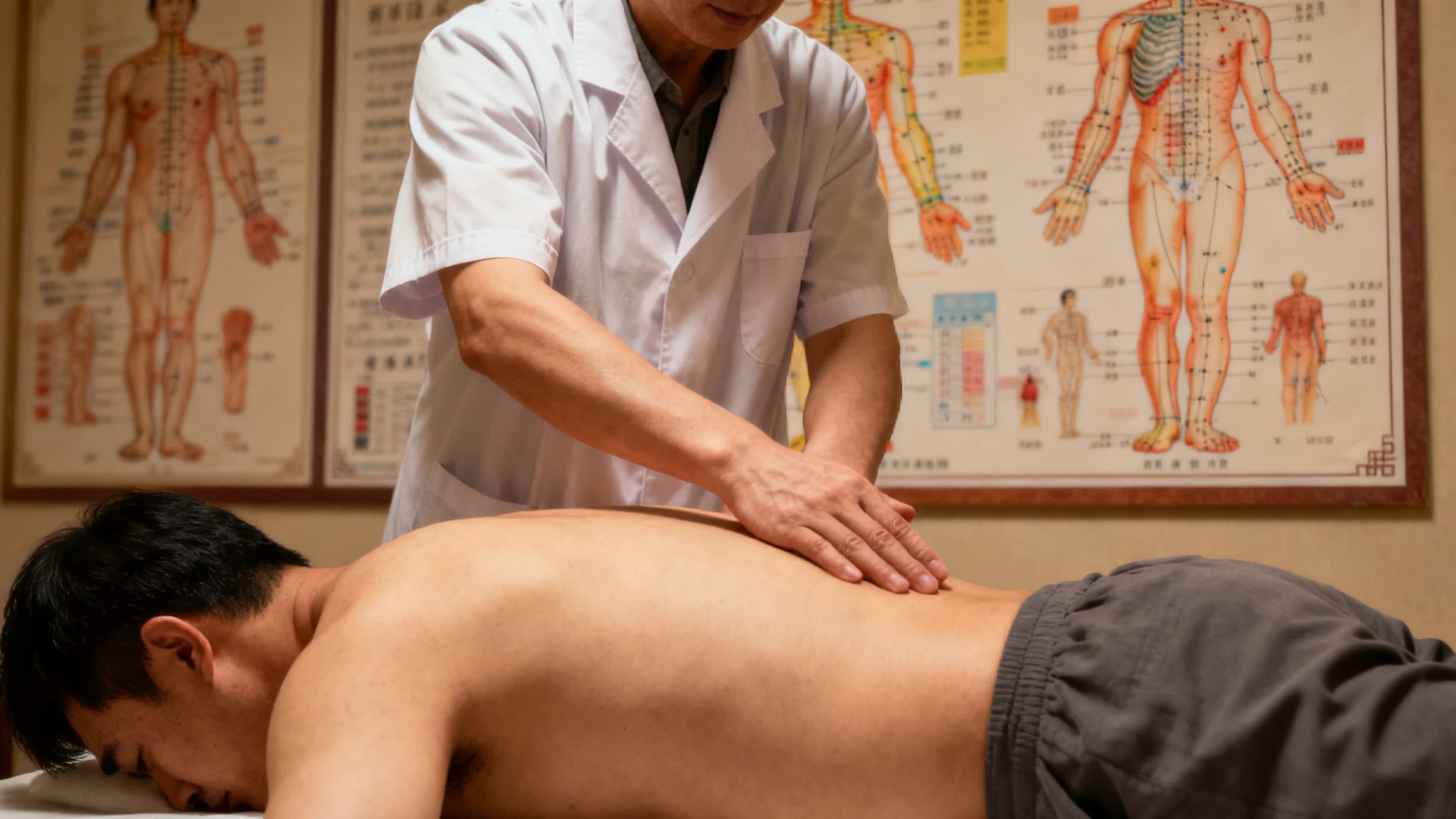
_20251205175403A029.jpg&w=3840&q=75)