The tea ceremony is the art of appreciating tea's aesthetic qualities. It is regarded as a life art of brewing and drinking tea, a social ritual using tea as a medium, and a lifestyle for self-cultivation through tea.
Through the processes of brewing, admiring, smelling, and drinking tea, it promotes friendship, cultivates virtue, teaches etiquette, and helps people understand traditional virtues. It serves as a harmonious ceremony that benefits both mind and spirit. Drinking tea can calm the heart and quiet the mind, aiding in refining one's character and eliminating distracting thoughts.
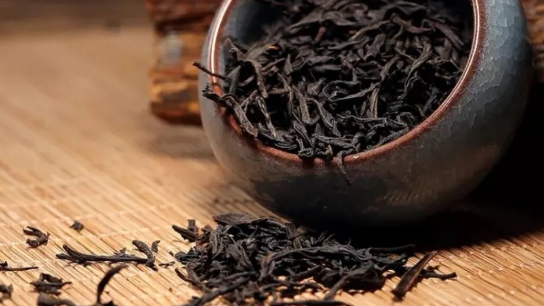
Hand Cleansing: A symbolic act of purification before beginning the ceremony.
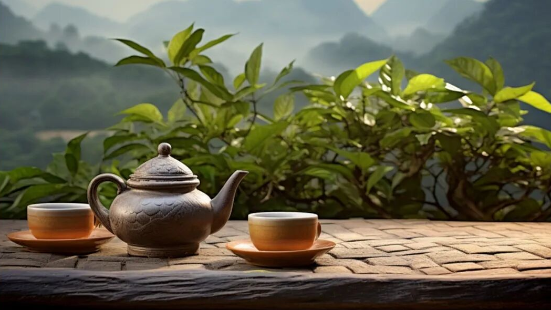
Appreciating the Utensils: Taking a moment to admire the craftsmanship and beauty of the tea set.
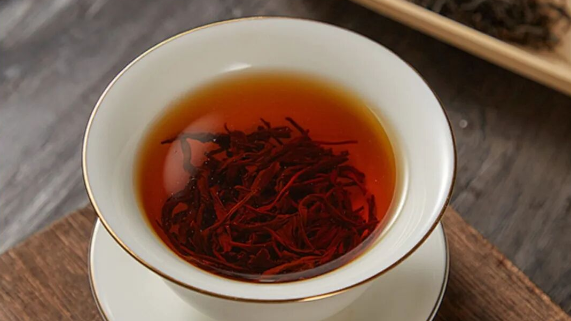
Pot Washing: Warming and cleansing the teapot with hot water to prepare it for the tea.
Brewing: The careful process of steeping the tea leaves, paying close attention to water temperature and timing.
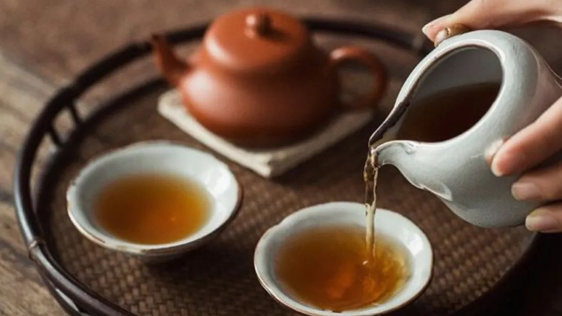
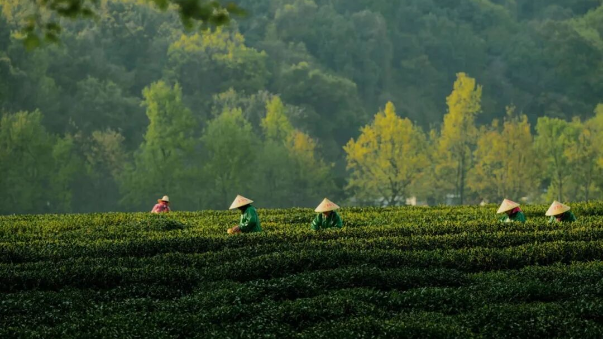
The tea ceremony serves as a beneficial and harmonious ritual. Drinking tea calms the heart and spirit, helping to refine one's character and eliminate distractions.
Whipped Tea Way (煎茶道): This method involves adding tea powder to a pot and boiling it with water. First recorded in the Tang Dynasty, it was referred to as "eating tea." It became popular during the Song Dynasty. Gold tea sets unearthed from the Famen Temple demonstrate this Tang Dynasty practice. Tea leaves were dried, ground into powder, and boiled with water, sometimes with added seasonings like salt. Since the tea powder was consumed with the water, it was called "eating tea."
Brewed Tea Way (泡茶道): This method involves steeping whole tea leaves. Its art includes five main steps: preparing the utensils, selecting the water, sourcing the fire, waiting for the water to reach the right temperature, and mastering the tea brewing technique. This method developed between the Yuan Dynasty and early Ming Dynasty, formally emerged in the late Ming Dynasty around the end of the 16th century, peaked from the late Ming to the mid-Qing Dynasty, and continues to this day. The tea ceremony in Taiwan originates from the Gongfu tea tradition of Chaozhou, Guangdong province.
Competitive Tea Tasting (斗茶道): An art of tea appreciation where ancient scholars and elites would each bring their own tea and water to compete. They judged the quality by comparing the foam on the tea surface and by tasting the tea broth. Known as "Ming Zhan" (茗战, Tea Battle), it thrived from the late Tang Dynasty and became especially popular during the Song Dynasty, first spreading in the Jianzhou area of Fujian province. It represented the highest form of tea appreciation art in ancient times.