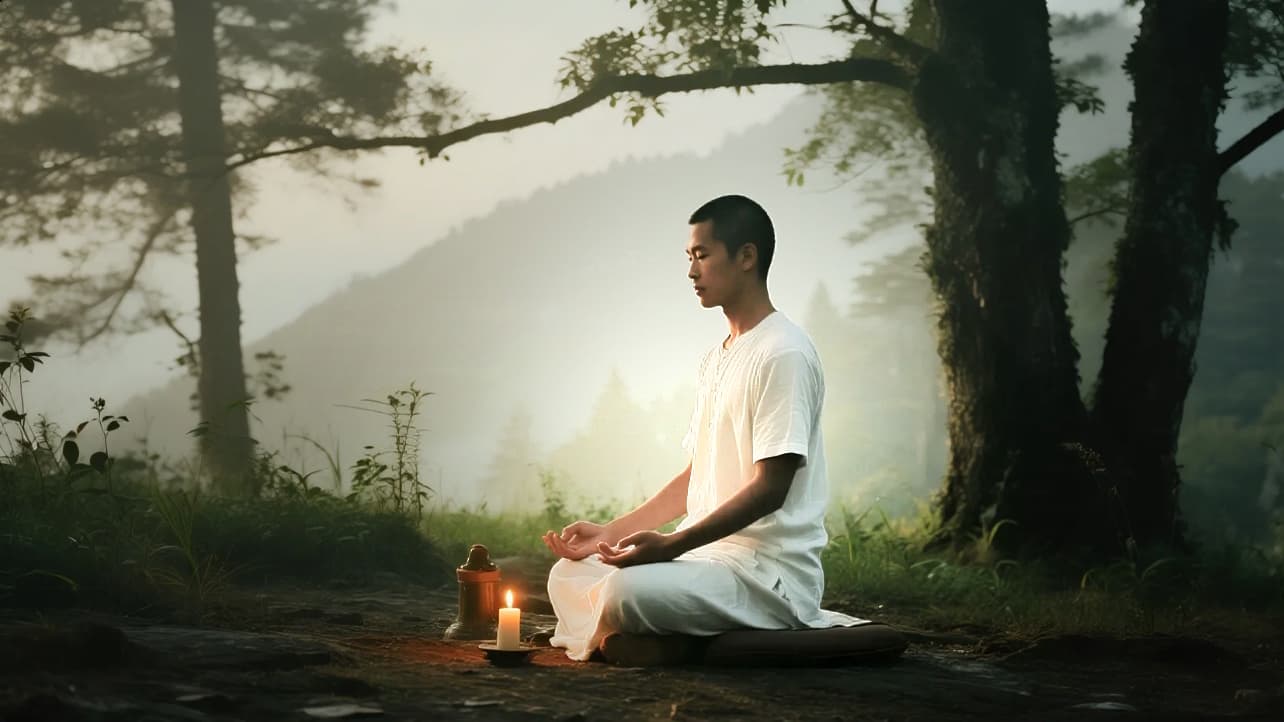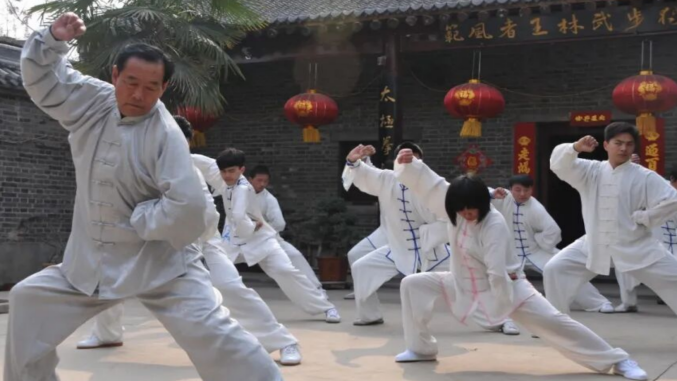
Tai Chi is a health-oriented aerobic exercise with over 150 million practitioners worldwide. Its theory is based on the Yin-Yang principle of Taiji philosophy, and its physiological basis lies in Traditional Chinese Medicine's meridian and skeletal theories. It works by unblocking meridians and enhancing Qi and blood circulation. Tai Chi is unique as the only practice in the world that seamlessly integrates Qigong, martial arts, calisthenics, philosophy, culture, self-defense, and physical fitness into one, offering the most comprehensive and remarkable health preservation effects.

1.Activates the Body's Self-Repair Mechanisms: As we age, our natural repair systems decline. Tai Chi helps regulate the core meridians, activating the body's innate repair functions. Just ten minutes daily can help ward off suboptimal health.
2.Unblocks Meridians: Sedentary lifestyles, common in office work, combined with excessive mental activity, can lead to blocked meridian pathways. This may manifest as small nodules under the skin, akin to stagnant water turning sour. Consistent Tai Chi practice clears these blockages, purifies the blood, and reduces such nodules.
3.Relaxes the Nervous System: Prolonged focus on tasks without physical movement can lead to overall tension and stiffness. The focused, calm, and stable nature of Tai Chi relaxes the nervous system and can help alleviate dizziness and mental fatigue.
4.Promotes Physical and Mental Ease: Physical and mental discord, anxiety, and imbalance often stem from obstructed Qi and blood flow, which is caused by meridian blockages. This creates a sense of being "unfree." Tai Chi promotes smooth Qi and blood circulation, leading to a sense of physical and mental freedom and harmony.
5.Enhances Heart Function: A lack of exercise can lead to weak heart function. Although slow, Tai Chi's coordinated whole-body movements work together to promote Qi and blood flow, thereby strengthening the heart muscle and making it more robust and resilient.
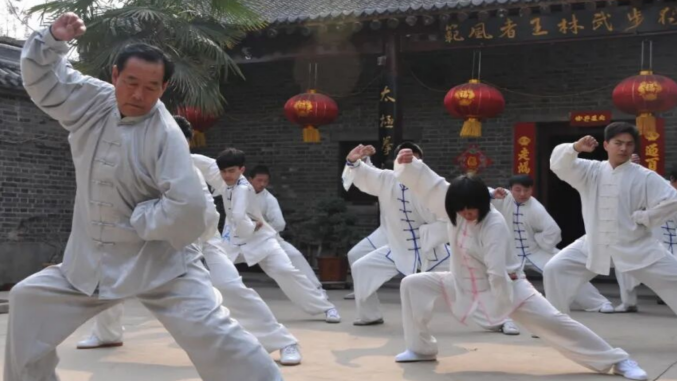
6.Strengthens Blood Vessels: From a TCM perspective, Tai Chi increases vascular elasticity, reducing the risk of vessel rupture, and also enhances overall bodily elasticity.
7.Strengthens Muscles and Tendons: An irregular lifestyle can lead to stiff, inelastic, and weak muscles and ligaments. Tai Chi practice increases the strength of muscles and tendons, improves joint flexibility, and enhances mind-body coordination.
8.Improves Blood Circulation: Poor blood circulation, often due to blocked meridians and collaterals, makes one prone to illness. Tai Chi helps unblock these pathways effortlessly, enhancing overall blood circulation and metabolism.
9.Reduces Risk of Internal Organ Diseases: Our internal organs need "movement" too. Without it, they can become "stiff" and diseased. The wave-like, sequential motions of Tai Chi promote self-massage of the organs, nourish them, and help maintain balance, preventing many ailments.
10.Manages the "Three Highs" (Hypertension, Hyperlipidemia, Hyperglycemia): If you have these conditions and medications haven't been fully effective, try Tai Chi. This gentle aerobic exercise can help safely manage the "Three Highs." It is beneficial for preventing and aiding conditions like hypertension, diabetes, obesity, and habitual constipation.
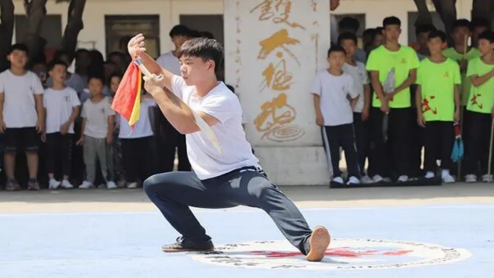
11.Elevates Mood: TCM suggests that consistent Tai Chi practice can alleviate symptoms of cardiac ischemia and lower blood pressure. It reduces fatigue, promotes mental well-being, and eases heart palpitations. Mood is linked to blood quality; Tai Chi helps reduce blood sugar and lipids while clearing waste from the blood. Clean blood ensures smooth circulation, naturally leading to a happier spirit.
12.Improves Body Shape: Physical appearance is directly influenced by blood quality. Clean blood free of "waste" contributes to a more beautiful and healthy appearance. Tai Chi helps eliminate metabolic waste and toxins from the blood and body, reduces abdominal fat accumulation, and helps maintain an elegant physique.
13.Helps Prevent Myocardial Infarction: Medically, myocardial infarction is primarily caused by poor blood flow and blockages from blood clots. Tai Chi optimizes heart function, reduces the formation of clots, and thus lowers the risk of infarction.
14.Strengthens the Lower Back and Kidneys: Inactivity and prolonged sitting can harm the kidneys, leading to deficiency, nephritis, stones, and declining function. Kidney deficiency affects liver blood, which in turn affects heart blood, leading to illness. Relying solely on medication burdens the kidneys. Tai Chi heavily relies on and exercises the lower back, potentially reducing the need for medication and healthily strengthening kidney function.
15.Clears the Mind: Staring at computer screens or reading for long periods can cloud mental clarity. Practicing Tai Chi, with its focused breathing and exposure to fresh air outdoors, makes brain activity clearer, more agile, significantly reduces mental fatigue, and improves learning and cognitive function.
16.Enhances Eyesight: Excessive reading, screen time, and smartphone use can degrade vision. Expert tests show that those who practice Tai Chi three times a week for 30 minutes over four months, compared to sedentary individuals, demonstrate sharper reflexes, and superior visual acuity and memory.
17.Promotes Longevity: The adage "life is in movement" holds true. Tai Chi is a unique form of exercise that incorporates both stillness and movement. It can alleviate neuromuscular tension and stabilize emotions, thereby naturally contributing to a longer lifespan.
18.Sharpens Wisdom: Cognitive dullness is indirectly related to blood quality. Toxins in the blood can make a person sluggish, hindering intellectual development. Regular Tai Chi practice helps remove these blood toxins, reduces fatigue, improves mood, alleviates palpitations, and counteracts the effects of environmental pollutants, leading to a healthier body, a more lively spirit, and enhanced wisdom.
19.Benefits Brain Health: The interplay of Yin and Yang in Tai Chi movements helps unlock the brain's potential. It aids the brain in releasing more endorphins, the "feel-good" hormones, making it more beneficial for mental health compared to typical gym workouts.