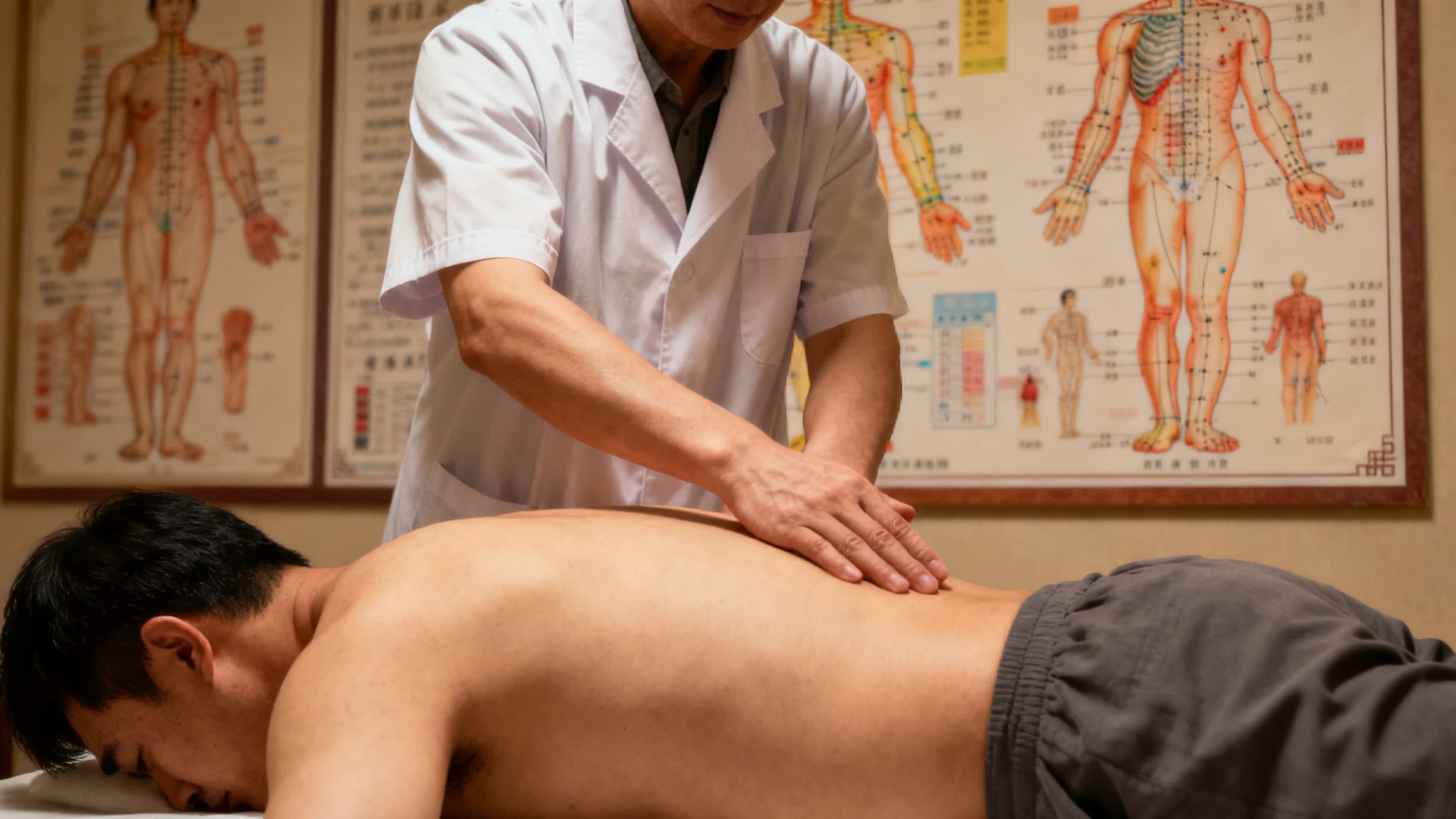
Acupoint massage is a Traditional Chinese Medicine (TCM) nursing technique that involves applying specific manipulations such as pressing, rubbing, pushing, grasping, kneading, pinching, vibrating, and tapping to designated acupoints on the human body. Guided by the fundamental theories of TCM meridians and acupoints, it works by stimulating local areas to unblock meridians and collaterals, thereby preventing and treating diseases while promoting physical health and well-being.
As a widely used TCM nursing technique based on meridian and acupoint theory with massage as its primary method, acupoint massage is characterized by its simplicity, cost-effectiveness, and safety. Being easy to learn, simple to perform, and requiring no specific venue or being limited by time and space, it is frequently combined in clinical practice with other TCM external treatments such as five-element music therapy, moxibustion, cupping, and auricular acupuncture. This integration not only enhances overall therapeutic effectiveness but also provides patients with convenient self-care options. It serves not only to treat illnesses but also to prevent diseases and maintain health, making it the preferred non-pharmacological intervention among TCM nursing techniques that achieves significant results with minimal effort.
Acupoint massage boasts a long history and profound cultural heritage. As early as primitive societies, people alleviated physical discomfort through touching or pressing certain body areas. With the continuous development of TCM, the theory of acupoint massage has been further refined. By applying specific techniques to acupoints, it stimulates the body's Qi and blood, unblocks meridians, and helps regulate organ function while enhancing treatment outcomes. Characterized by being "simple, convenient, effective, and economical," it represents a non-invasive, easily mastered TCM therapy with high patient compliance.
Orthopedic Diseases: Cervical spondylosis, stiff neck, lumbar disc herniation, frozen shoulder, soft tissue sprains, etc.
General Surgical Conditions: Postoperative intestinal adhesions, chronic prostatitis, chronic appendicitis, lower limb varicose veins, breast abscesses, etc.
Internal Medicine Disorders: Stomach pain, insomnia, headaches, common cold, chronic diarrhea, post-stroke sequelae, urinary retention, etc.
Gynecological Issues: Irregular menstruation, dysmenorrhea, amenorrhea, chronic pelvic inflammatory disease, postpartum pubic symphysis separation, etc.
Pediatric Diseases: Fever, diarrhea, malnutrition, convulsions, constipation, rectal prolapse, intussusception, asthma, enuresis, night crying, polio sequelae, etc.
ENT Conditions: Rhinitis, hearing loss, tinnitus, strabismus, myopia.
Various Subhealth Groups: Suitable for chronic conditions and cases of declined or hyperactive organ function, such as cervical hyperosteogeny, lumbar disc herniation, etc.
Undiagnosed acute spinal cord injuries
Various fractures, osteoporosis, and bone tuberculosis (especially in acute or severe stages)
Severe cardiovascular, cerebral, hepatic, or renal diseases
Individuals with bleeding tendencies (e.g., thrombocytopenia, leukemia)
Areas with skin damage or scars
Acute infectious diseases, suppurative diseases, skin conditions, and malignant tumors (particularly during acute or active phases)
Pregnant women (avoid strong abdominal manipulation) and women during menstruation (avoid strong abdominal pressure)
Psychiatric patients (due to potential poor compliance and cooperation)
Elderly and weak individuals, those who are very hungry or full, and people after intense physical exercise
Additional precautions include avoiding massage on suppurative skin areas, cancerous regions, scalded skin, or open wounds. It is advisable to consult a professional TCM practitioner or masseur before undergoing acupoint massage to ensure safety and effectiveness.

Key Precautions:
1.Adjust pressure according to individual tolerance, avoiding excessive force. Instruct patients to stop immediately if discomfort occurs during massage and seek medical attention if necessary.
2.Trim nails before operation and warm hands in cold weather.
3.Acupoint massage is contraindicated for patients with severe diseases, acute disease episodes, bleeding tendencies, or thrombosis risks.
Acupoint massage is a characteristic TCM therapy that regulates Qi and blood, improves organ function, and stimulates meridian energy. By stimulating specific body acupoints to harmonize Qi and blood, it achieves therapeutic purposes. Given its features of simple operation, minimal cost, no venue restrictions, and significant effectiveness, acupoint massage deserves widespread clinical promotion. For patients, it also serves as an important non-pharmacological method for daily self-healthcare.