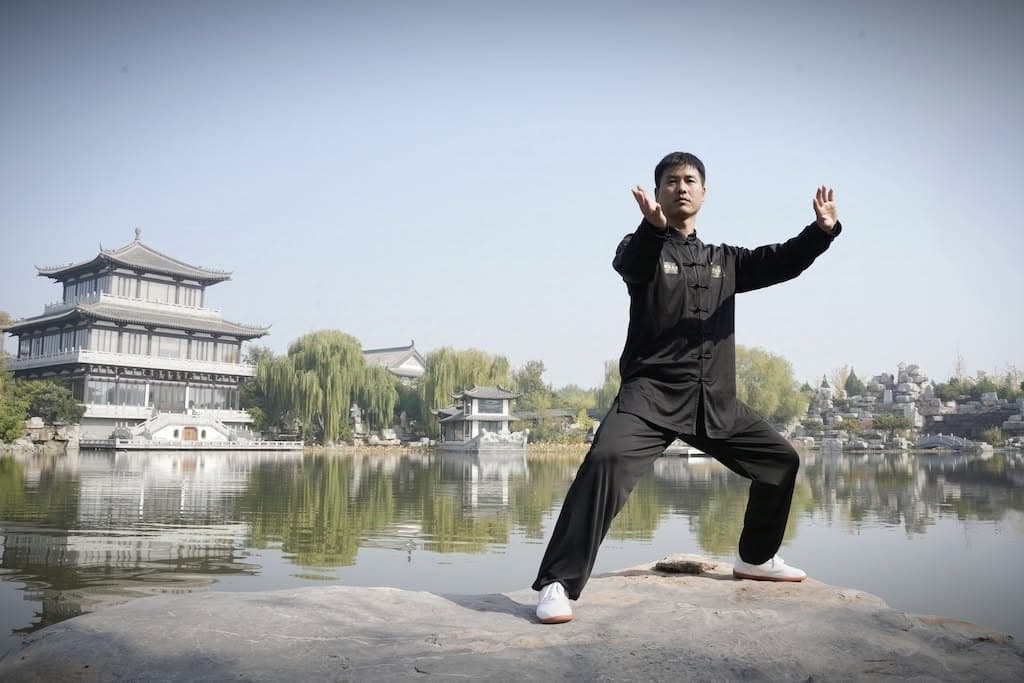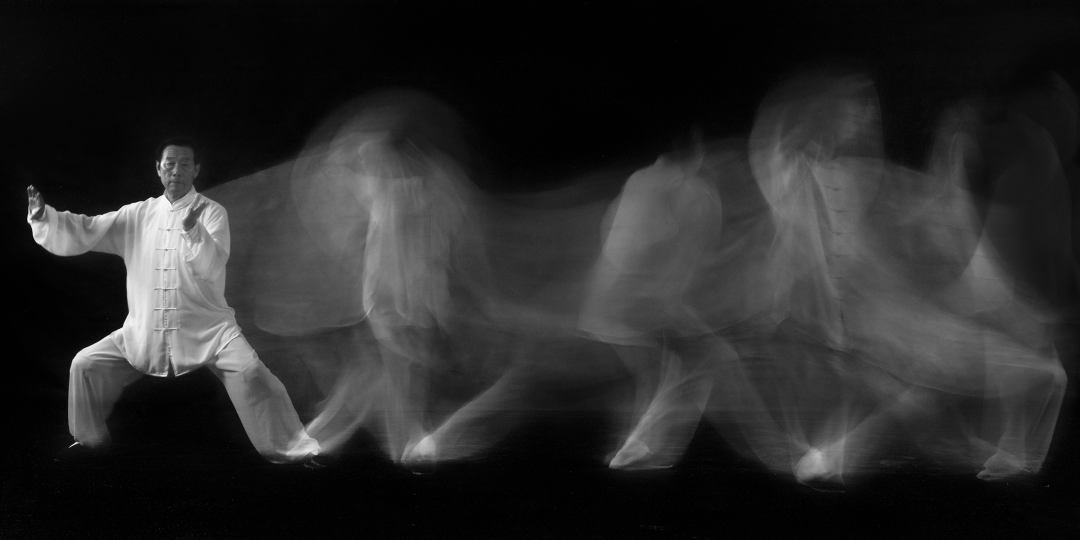
Tai Chi evolved from ancient Chinese daoyin (guided stretching) and breathing techniques combined with martial arts. It is a crystallization of traditional Chinese martial arts, medicine, and culture. Today, it has become a widely accepted method for health preservation and wellness around the world.
The modern Tai Chi master Wu Tunan famously stated: "Life lies in movement," and "My exercise is practicing Tai Chi." He also said, "In studying the art of nurturing life and longevity, we use our own bodies for experimentation, utilizing the practice of Tai Chi to approach our 'natural lifespan'." Master Wu practiced Tai Chi daily and lived to be 105 years old. Furthermore, his wife, Liu Guizhen, began practicing Tai Chi with him after their marriage and persisted until her passing at the beginning of this year at 104. Their practical experience demonstrates that consistent Tai Chi practice can contribute significantly to human health and longevity.
Many Tai Chi practitioners throughout history, including numerous Taoists and health preservation experts, were well-versed in medical theory and the Yi Jing (Classic of Changes). They integrated this knowledge into their Tai Chi practice. Moreover, the foundational theories of both Tai Chi and Traditional Chinese Medicine (TCM) are closely linked to the core concepts of the Yi Jing, leading to many areas of common ground.
1. Yin, Yang, and the Five Elements
Laozi said, "All things carry Yin and embrace Yang." The ancients believed that the transformation of Yin and Yang was a fundamental law of the universe. TCM states, "Yin and Yang are the Way of Heaven and Earth, the fundamental principles of all things, the parents of change, the source of vitality." Tai Chi masters say: "With the separation of Yin and Yang, Heaven and Earth are distinguished, and Tai Chi begins." This separation refers to Yin being stillness and Yang movement; Yin representing rest and Yang generation. The distinction between Heaven and Earth refers to the separation of the clear and turbid qi, with their interaction giving birth to all things. Thus, TCM and Tai Chi theory share a consistent view on revealing the universe's basic laws.
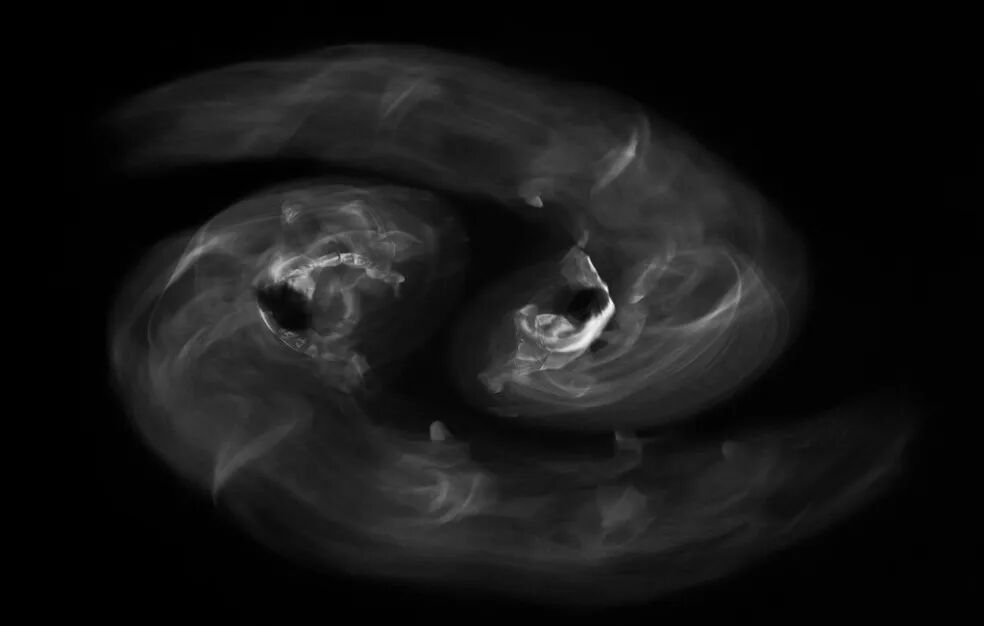
TCM theory discusses the opposition, waxing/waning, interdependence, and transformation of Yin and Yang, using these principles to explain human anatomy, physiological functions, pathological changes, and to guide diagnosis and treatment. Tai Chi theory is derived from the Tai Chi diagram. The black and white areas represent the attributes of Yin and Yang, the S-curve represents their dynamic balance and cyclical changes, and the dots within each section symbolize that Yin contains the seed of Yang and vice versa, implying infinite divisibility.
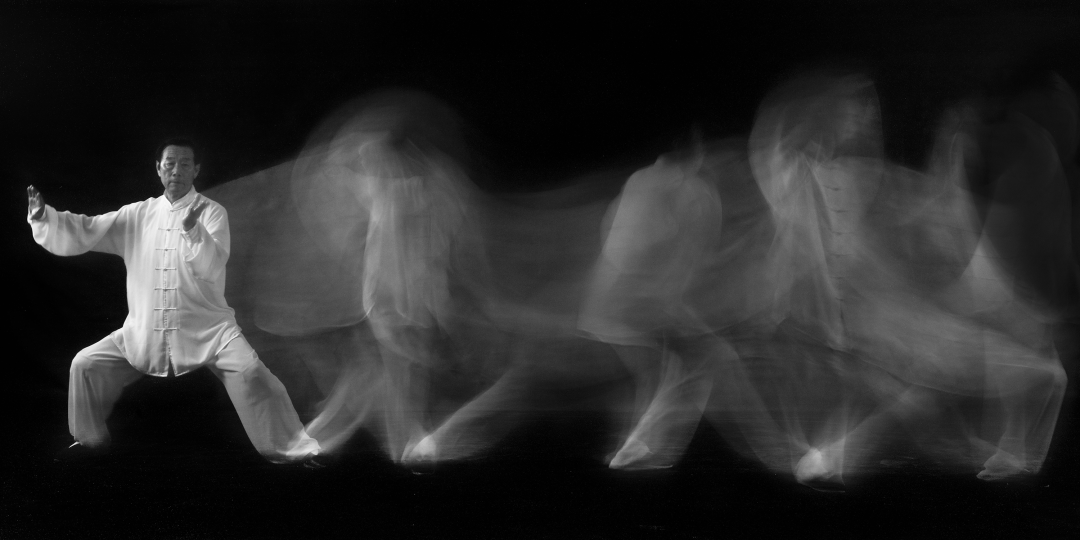
In TCM therapeutics, there are disease patterns with different Yin-Yang attributes, such as cold/heat, deficiency/excess, interior/exterior, with corresponding treatments like warming, clearing, tonifying, reducing, releasing the exterior, or treating the interior. In Tai Chi practice, there are movements with different Yin-Yang attributes: motion/stillness, opening/closing, hardness/softness, substantial/insubstantial. The practice involves the dynamic interplay of these opposites within the body's internal and external movements.
In TCM, the Five Elements theory (Wood, Fire, Earth, Metal, Water) is used to classify, analogize, and deduce the physiological relationships and pathological influences among the Zang-Fu organs, guiding diagnosis and treatment principles based on their generative, controlling, and overacting cycles. In Tai Chi, the eight basic techniques (Peng, Lu, Ji, An, Cai, Lie, Zhou, Kao) and the five steps (Advance, Retreat, Left顾, Right盼, Central Equilibrium) are also understood and mastered according to the Five Elements and their interactive cycles.
Therefore, TCM and Tai Chi are interconnected in their theoretical basis of Yin-Yang and the Five Elements. Their goals in health preservation and disease prevention are also aligned. Both emphasize continuously adjusting the balance of Yin and Yang and the relationships of the Five Elements cycles (one primarily using herbs, the other using movement and daoyin) to achieve balance within the body's internal environment, a state TCM calls "Yin being tranquil and Yang firm, then the spirit is in order."
2. The Relationship between Qi and Blood
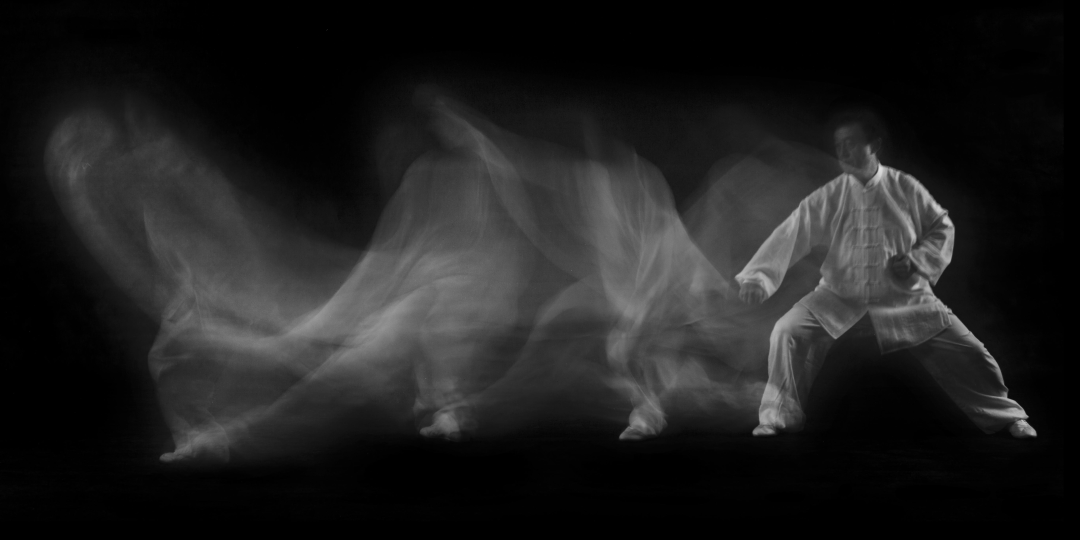
TCM considers Qi and Blood the fundamental substances constituting the human body and the material basis for the activities of the Zang-Fu organs, meridians, and tissues. Qi is the commander of Blood; Blood is the mother of Qi. The harmony and smooth circulation of Qi and Blood are crucial for health. Tai Chi focuses on cultivating Essence, Qi, and Spirit. During practice, it requires using intention to guide the body, and the body to guide Qi, thereby promoting the smooth and balanced flow of Qi and Blood. It's common to see long-term Tai Chi practitioners able to practice outdoors in winter without gloves, their hands remaining warm afterwards. This is just a small glimpse of how Tai Chi promotes Qi and Blood circulation.
TCM classifies Qi into: Original Qi (Yuan Qi), Pectoral Qi (Zong Qi), Nutritive Qi (Ying Qi), and Defensive Qi (Wei Qi). Original Qi is the primordial motive force of life. Pectoral Qi, accumulated in the chest, is a mixture of essence from food and air, supplementing the Original Qi. Nutritive Qi flows within the vessels, nourishing the organs and limbs. Defensive Qi flows outside the vessels, warming the tissues, strengthening the interstices, and managing opening and closing. Their coordinated action ensures smooth blood flow and maintains bodily functions.
Tai Chi groups Yuan Qi, Zong Qi, and Ying Qi as "Internal Qi," and Wei Qi as "External Qi." It cultivates Qi for health through four aspects: nurturing, storing, circulating, and applying. Particularly, Master Wu Tunan's emphasis on nurturing Zong Qi, supplementing Yuan Qi, circulating Ying Qi, and developing Wei Qi is central to Tai Chi's health preservation approach.

3. Zang-Fu Organs and Meridians
Both TCM and Tai Chi ultimately base their disease prevention, treatment, and health preservation methods on the functions of the Zang-Fu organs. The TCM theory of Zang-Fu organs and meridians is core, viewing the body as an organic whole where organs have specific roles yet are interdependent, mutually restricting, and coordinating. Close connections exist between the five Zang organs and the body's orifices, tissues, and emotional activities. Therefore, the health of the Zang organs and the balanced coordination of their physiological functions are key to maintaining the body's internal and external equilibrium. Simultaneously, maintaining a balanced emotional state helps stabilize organ function.
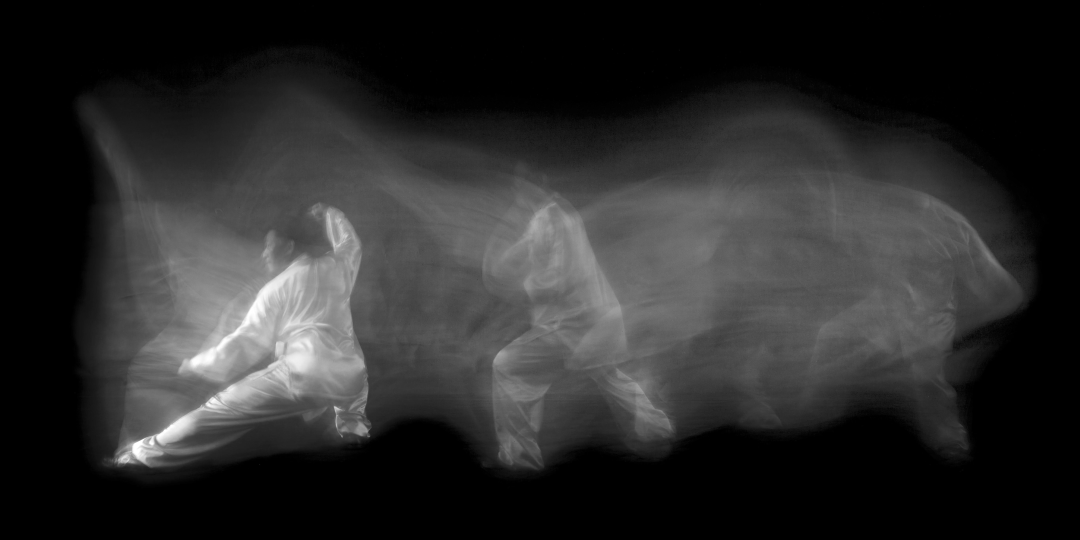
Tai Chi utilizes movement daoyin, breath regulation, and mental focus to regulate organ function and harmonize internal and external relationships for health preservation. TCM believes the Heart governs blood and houses the mind. Poor circulation or deficiency of Heart Blood can affect its function. Tai Chi's principle of using intention to guide the body, the body to guide Qi, and having Qi follow intention, thereby promoting blood circulation, achieves what the classics call "Qi circulating throughout the body without stagnation." Furthermore, calming the mind and nurturing Qi benefits the nourishment of Heart Blood and the tranquility of the spirit. Modern research suggests that the circular, expansive movements and rhythmic muscle contractions/relaxations in Tai Chi promote capillary dilation, smooth blood flow, and increased venous return, thus improving circulation, reducing cardiac workload, and benefiting overall and cardiovascular health.
TCM holds that the Spleen governs transformation and transportation, the Stomach governs reception, and the Liver governs smooth flow (dispersion). The functions of these three affect the normal ascending/descending and entering/exiting of Qi and proper digestion. Through upright, relaxed postures, rising/falling, turning movements, and the coordinated internal "opening and closing" and "pulsing" of Qi, Tai Chi causes rhythmic contraction and relaxation of muscles in the chest, diaphragm, abdomen, back, and waist. This daoyin method provides "self-massage" to the internal organs and guides the movement of Qi, thereby regulating the Spleen's transformation, the Stomach's reception, and the Liver's dispersion, offering preventive and therapeutic benefits for the digestive system. As the Spleen also governs the muscles, proper digestion ensures nourishment for muscles and bones, complemented by the exercise itself, aiding recovery from musculoskeletal issues.
TCM states the Lungs govern respiration and link with all vessels (朝百脉), possessing functions of diffusion (宣发) and descent (肃降). Lung diseases cause cough, phlegm, breathing difficulty, and disrupted diffusion/descent, weakening defensive function. Tai Chi first requires "deep, long, fine, and even" natural breathing, progressing to "sinking Qi to the dantian." This exercises respiratory muscles, improves chest expansion, maintains lung elasticity, and increases vital capacity. The requirement for "a relaxed abdomen with vibrant Qi" may enhance pore ventilation and develop Wei Qi, benefiting the Lungs' diffusion/descent and their connection to the vessels.
TCM believes the Kidneys store Essence, govern water metabolism, and grasp Qi (assisting inhalation). Kidney dysfunction (mainly imbalance of Yin, Yang, Qi, Blood) damages primordial Yin and Yang, affecting growth, development, and reproduction. Impaired water governance disrupts overall fluid metabolism. Tai Chi requires "constant mindful attention to the waist." The movements first provide "self-massage" to the kidneys. Enhanced digestion and accelerated metabolism post-practice, combined with breath cultivation, fully replenish the acquired basis (from food) and Pectoral Qi, which in turn supplements the Kidneys' primordial Yin and Yang – this is called "training the acquired to supplement the congenital." Simultaneously, enhanced movement of Triple Burner (Sanjiao) Qi benefits the Kidneys' function of governing water through Qi transformation. The very practice of nurturing and accumulating Qi in Tai Chi is an exercise for the Kidneys' role in grasping Qi. Thus, Tai Chi offers beneficial physical therapy for TCM-defined Kidney system disorders.
In TCM meridian theory, there are channels, collaterals, twelve sinew channels, and twelve cutaneous regions. Tai Chi, based on opening the Governing and Conception Vessels (Du and Ren Mai), requires "using Qi to move the body, reaching everywhere like beads through nine crooked passages," and also "transporting it through the body, emitting it from the hairs." Thus, through Tai Chi's daoyin and breathing, the Qi and Blood in the meridians are naturally regulated to flow smoothly without obstruction. This can eliminate pathogenic factors like excess/deficiency or rebellious/blocked Qi and Blood in the meridians. Long-term practitioners can guide Qi from the meridians to the sinews and skin, from interior to exterior and back, reaching everywhere. Over time, this improves microcirculation and inter-organ connections, accelerating metabolism, thereby achieving the goal of physical health.
4. Emotional Regulation
TCM considers emotional activities based on Zang-Fu function. The Su Wen says: "The five Zang organs of man transform the five Qi, thereby producing joy, anger, grief, worry, and fear." It further associates specific emotions with organs: Heart with joy, Liver with anger, Lungs with grief, Spleen with thought, Kidneys with fear. Abnormal emotional changes can lead to rebellious Qi movement, causing dysfunction and damage to the Zang-Fu organs.
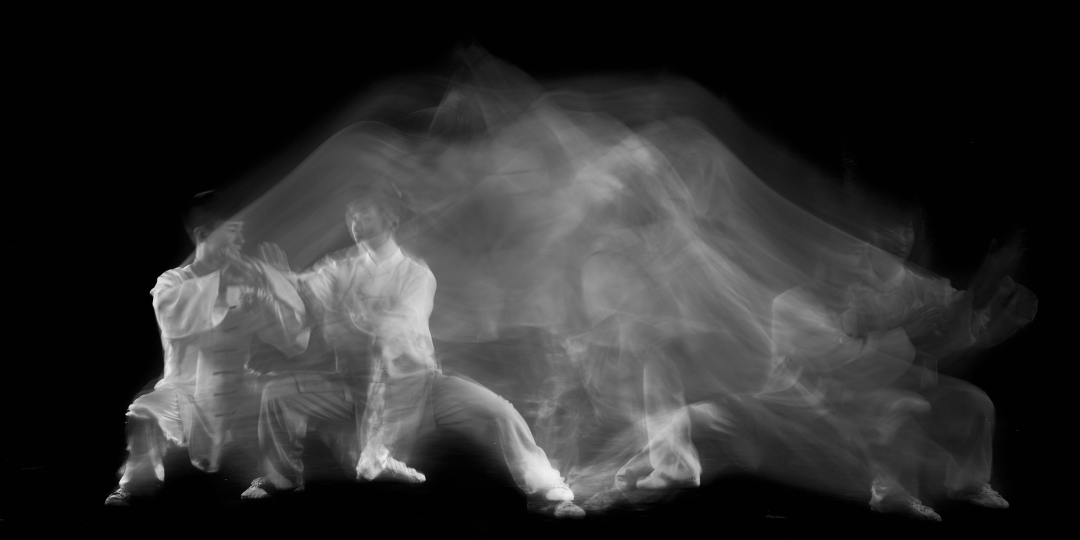
Tai Chi was historically called "consciousness movement" because its practice is inseparable from mindful awareness and sensation. Beginners must pay attention to correct posture and gradually master each principle, such as lifting the head lightly, containing the chest and relaxing the back, sinking the shoulders and elbows, relaxing the waist and hips, sinking Qi to the dantian, etc. This is the initial stage of "using intention to guide the body," later progressing to "using intention to guide Qi" and "using Qi to move the body"... The method of using intention in Tai Chi involves consciously controlling the body's movements and internal/external circulation, eliminating distracting thoughts, and achieving a state of mental quietude. Research indicates that during practice, the motor cortex is excited while other brain areas are relatively inhibited. This relative mental stillness allows practitioners to set aside worries and focus entirely on the practice. Consequently, practicing Tai Chi not only refreshes the mind and boosts energy but also, with long-term practice, fosters a broad-minded and emotionally healthy outlook. Additionally, Tai Chi's regulation of nervous function aids patient recovery.
The above discussion aligns with the Su Wen: "When the mind is free from desires and aversions, the genuine Qi follows smoothly; when the spirit is guarded internally, where can disease arise?"
The above represents some of our insights gained over years of using TCM and Tai Chi for personal health preservation and patient physical therapy. Although modern people may not have the条件 to live secluded amongst green mountains, clear waters, pines, and bamboos to refine their sentiments and experience the life of ancient hermits, we can still use TCM theory combined with Tai Chi practice to cultivate body and mind, strengthen our constitution, and achieve the goal of "prolonging life and maintaining youthful vitality."