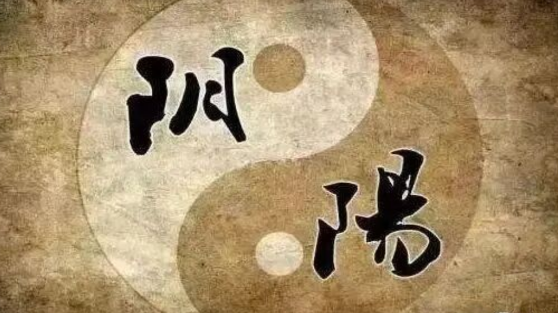
For thousands of years, the Daoist philosophical system established by Laozi and Zhuangzi has exerted a profound and lasting influence on Chinese history. Among its contributions, Daoist concepts of health preservation have significantly shaped Traditional Chinese Medicine's approach to wellness.
Key Daoist principles for health preservation are primarily reflected in the following aspects:
1. Valuing Life
Cherishing life is a consistent Daoist tenet. Daoist practice seeks the "cultivation of the Way to become an immortal, to avoid death, and to achieve longevity." Laozi observed that human life is finite and constantly vulnerable, urging people to "sink roots and secure the base" by diligently caring for their bodies, ensuring the body can embody the Dao.
Medical Application: This translates to maintaining personal integrity, cultivating one's character, avoiding excessive indulgence in food and drink, emphasizing physical exercise, and fostering harmony with one's environment.
2. Valuing Softness
Laozi observed that newborn things are soft and tender yet full of vitality, whereas things that become strong and rigid approach decay and decline. In the Dao De Jing, he stated: "The stiff and unbending are disciples of death; the gentle and yielding are disciples of life." Remaining often in a soft, flexible state can help avoid premature aging.
Medical Application: The principle that "extremes meet" applies to health preservation. It's crucial to maintain moderation in all aspects, avoiding excess that leads to decline.
3. Following Nature
The Dao De Jing says: "Humans follow the Earth, the Earth follows Heaven, Heaven follows the Dao, the Dao follows what is natural." Laozi's "Dao" refers to the essence of all things and the fundamental law of their natural, cyclical development.
Medical Application: Daoism emphasizes that human life activities must align with natural laws. Following nature is the fundamental viewpoint of Daoist health preservation, promoting longevity through harmony with natural cycles.
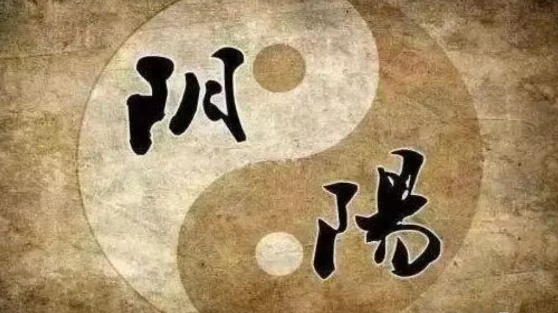
4. Serenity and Non-Action (Wu Wei)
Serenity primarily refers to a tranquil mind and spirit; Non-Action主要指 refers to avoiding rash or forceful actions. This state of serene non-action is akin to "having few desires" as discussed in the Dao De Jing.
Medical Application: This philosophy of nurturing the spirit for longevity has been valued by health practitioners throughout history, influencing areas like mental cultivation, emotional regulation, Qigong, Daoyin, and various exercise systems.

5. Returning to Simplicity and Authenticity
Daoism advocates returning life to its original, simple, pure, and genuine state through self-cultivation and practice—this is called "Returning to Simplicity." One should embrace and hold fast to authenticity, nurturing the true vitality of life, fostering honesty and simplicity to harmonize with the Dao.
Medical Application: In life cultivation, this involves repairing dissipated vital energy through practice, based on a sound mental foundation, to restore physical health. Further advanced practices aim to refine essence into energy, energy into spirit, and spirit into voidness, ultimately returning life to the state of the true Dao.
6. Cultivating Both Spirit and Form
Zhuangzi advocated shedding material desires to achieve emptiness and tranquility for nurturing the spirit. He also noted: "Expelling the old and taking in the new, imitating the movements of bears and birds—this is merely for longevity. It is what those who practice Daoyin, cultivate the body, and seek the longevity of Peng Zu are fond of."
Medical Application: China's ancient Daoyin techniques were promoted by Daoists, derived from observing animal movements. These exercises were used for fitness, treating illness, and preventing disease.
Although subsequent generations have elaborated and expanded upon Daoist health preservation thought, the core tenets—"Valuing Life," "Valuing Softness," "Following Nature," "Serenity and Non-Action," "Returning to Simplicity," and "Cultivating Both Spirit and Form"—remain dominant and have made immense contributions to the field of Chinese health preservation.